


At the start of 2025, it was unanimously expected that one game was set to win Game of the Year at The Game Awards, and there was nothing anybody else could do about it. That game was Grand Theft Auto 6. In May, Rockstar’s opus was delayed into 2026 and out of contention for this year’s award. In theory, the GOTY race was blown wide open.
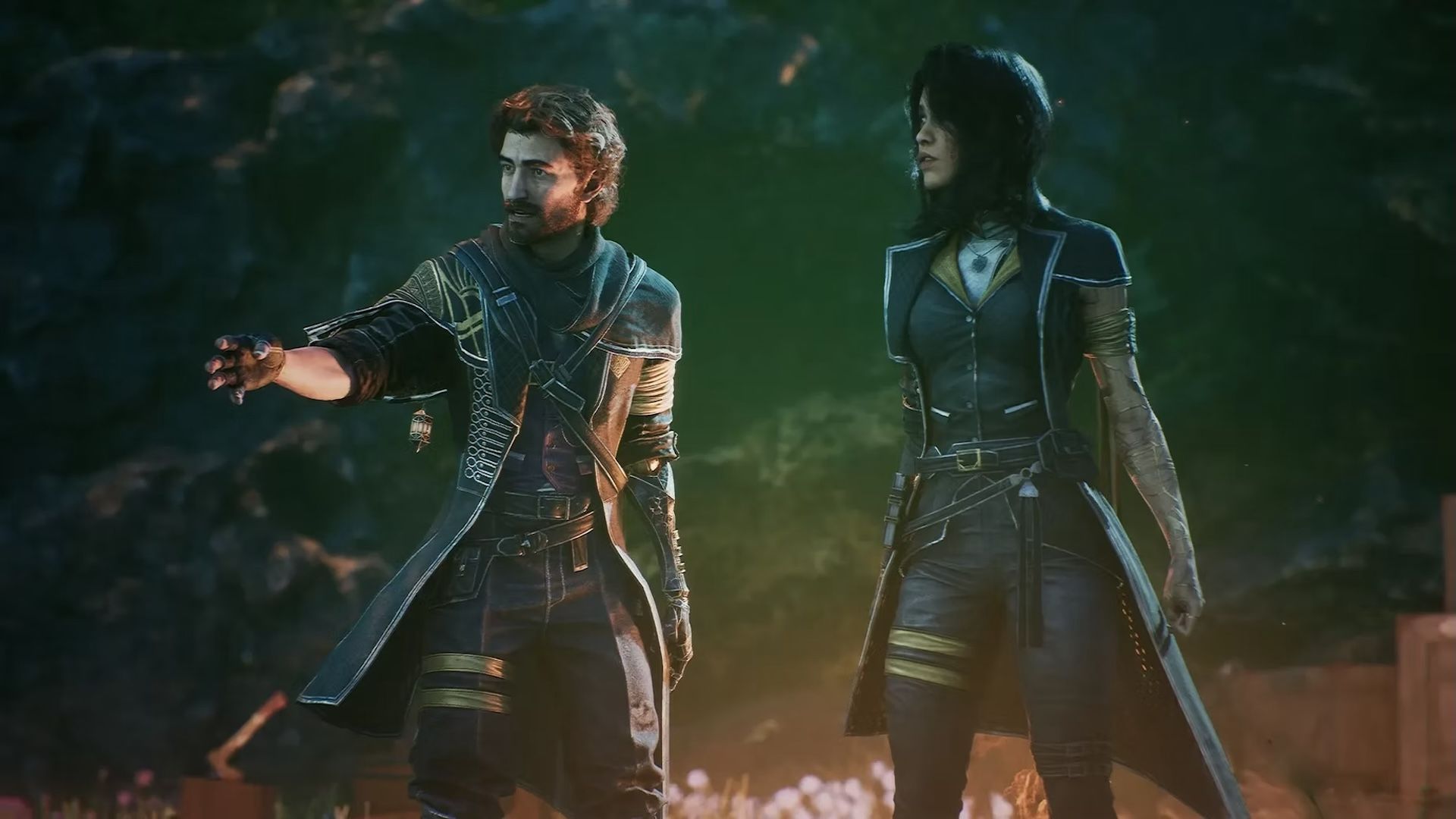
That’s not quite what happened. Shortly before the announcement of GTA 6’s delay, a relatively unheralded game from a new French studio and a boutique indie publisher was released to rave reviews. That game was Clair Obscur: Expedition 33. It immediately became the favourite to win Game of the Year — a position it has maintained ever since.
That’s not just our opinion. On the prediction market Kalshi, where users trade contracts — bet, essentially — on the outcome of future events, Clair Obscur’s chance of winning is currently rated at 79%. (Kalshi users think it’s only slightly less likely Clair Obscur will win GOTY than Zohran Mamdani will be elected mayor of New York City.) Clair Obscur leapt into the lead on Kalshi, with a 48% chance of winning, as soon as news of the GTA 6 delay hit, and has dominated the market ever since, climbing steadily, reaching 70% in the summer, and hitting an incredible peak of over 84% in September.
That’s particularly telling, because it was in September when Clair Obscur saw its stiffest competition yet. Two indie game sequels with unimpeachable pedigree saw surprise releases that month: Hollow Knight: Silksong and Hades 2. Both games had the 90-plus ratings on review aggregators Metacritic and OpenCritic that are a prerequisite for competing in Game of the Year in most years; Hades 2 even edged higher than Clair Obscur on both sites. Both games also had enough stature, and were widely played enough, to overcome the handicap that indie titles face at the Game Awards, where they struggle to gain traction with the large international jury outside of indie-specific categories.
But like Donkey Kong Bananza and Death Stranding 2 before them, and Ghost of Yōtei after them, Silksong and Hades 2 barely moved the needle. On Kalshi, Silksong topped out at 20%, and Hades 2 at 10%. (Everything else currently languishes below 2%.) Clair Obscur seems unassailable. Like the indie pair, it’s a cool pick: a passion project from an unheralded studio, Sandfall Interactive, and an upstart publisher, Kepler Interactive. Unlike them, it sits squarely in the genre sweet spot that the Game Awards jury has returned to in its GOTY pick time and again: big, narratively ambitious, graphically shiny role-playing and action-adventure games.
Clair Obscur has also, it has to be said, had a lucky draw. Perhaps because this was supposed to be GTA 6’s year, strong AAA releases that fit the traditional GOTY mold have been hard to come by. And the critical community from which the jury is mostly drawn has shown respect but not much passion for the games in this area that have been released, like Yōtei and Assassin’s Creed Shadows. It seems critics are in the mood for something different — just not too different.
Looking past the seeming inevitability of Clair Obscur’s win, and the fact it has been locked in as favourite for six months, it’s important to remember how exciting that win would be. For a new studio to score a GOTY-winner with its debut game would be without precedent, and for a tiny publisher like Kepler to see off the likes of Sony and Nintendo would be thrilling. It’s also a major evolution for the Game Awards that Clair Obscur’s two closest (albeit still distant) challengers are small, self-published indie games. That’s never happened before, either.
Still, it’s ironic to be observing a stultifyingly static GOTY race in the year that Grand Theft Auto 6 vacated the field. It seems we’ve exchanged one foregone conclusion for another.


0 Comments