


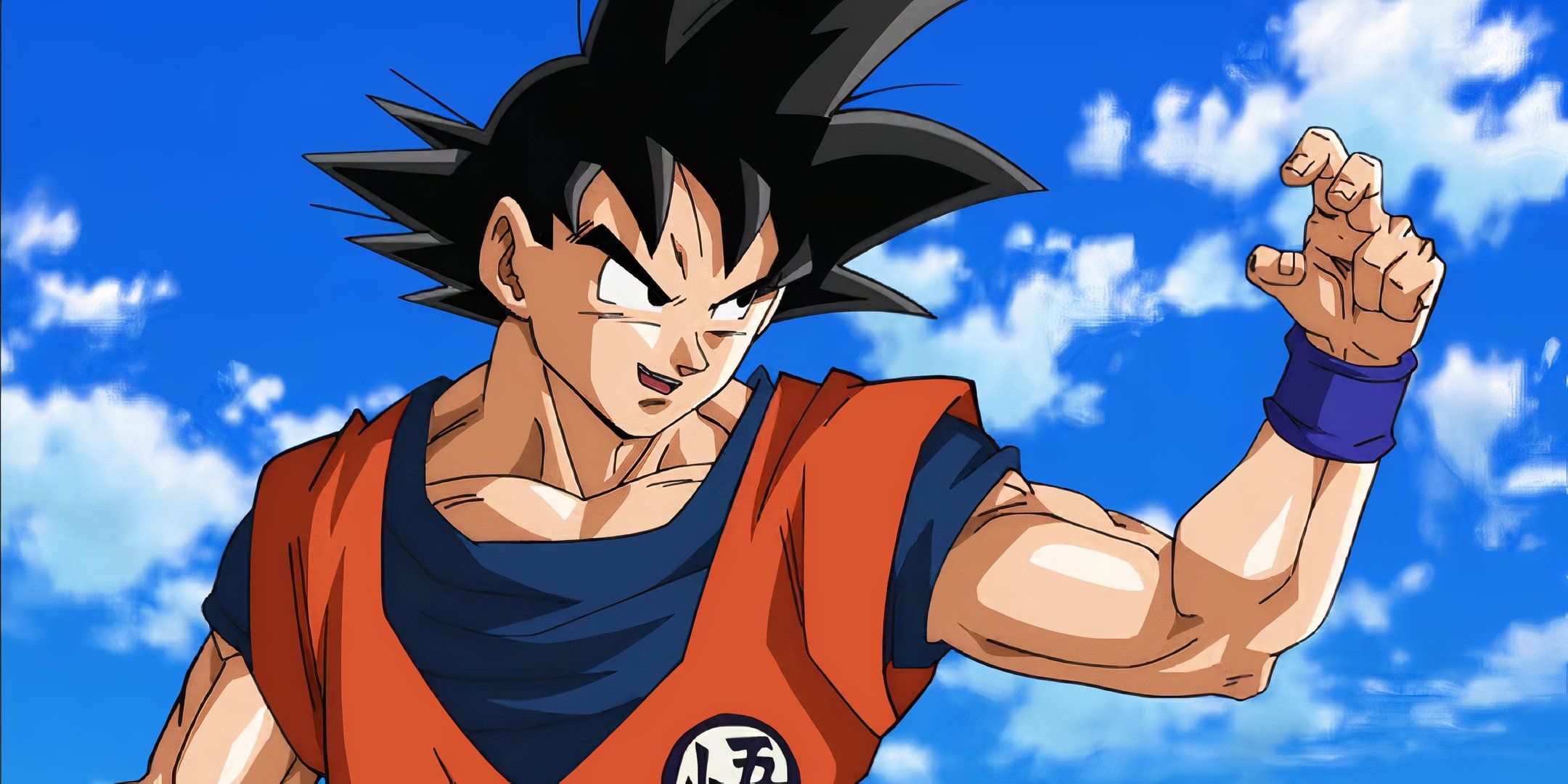
It’s flooding the internet at ridiculous speeds. It’s prompting hundreds of social media posts from thousands of people who have rushed to experience its capabilities firsthand. It’s Sora 2, OpenAI’s just-launched video generation model, and you’re far likelier to see iconic Japanese characters like Sora, Goku, Pikachu, and Link than famous Western faces like Luke Skywalker and Tony Stark.
Just days ago, we reported on an eerily impressive Sora 2 “gameplay” vid, which mirrored a real Cyberpunk 2077 side quest in great detail. This thing is here, and it’s making waves, and it’s got many corporations just as concerned for the commercial sanctity of their IP as some of us are about the, er, future of human artistic achievement.
But That’s Hardly A Universal Sentiment
Except, it seems, in Japan. There, residents have noticed a tremendous glut of Sora 2 videos based upon domestic IP, and it’s not only got the public talking – it’s prompted at least one member of the House of Representatives to chime in with some words of warning. First reported in English by Automaton, a Yahoo! Japan news article, dated October 3, contains a bevy of Twitter posts from local gaming and anime enthusiasts who have startled themselves by Sora 2’s accurate recreations of Dragon Ball, Naruto, Pokemon, The Legend of Zelda, Demon Slayer… on and on it goes. And nothing, as of yet, is being done to stop it.
Visible in the above tweet, politician (and lawyer) Akihisa Shiozaki shares the public’s negative sentiments regarding the matter. Confessing that he’s already given Sora 2 a whirl himself, Shiozaki urges “immediate action if [the government of Japan wants] to protect leading Japanese creators and the domestic content industry, and help them further develop.” In parentheses, he adds: “I wonder why Disney and Marvel characters can’t be displayed.”
Likely, I would reckon, because Sora 2 sports an “opt-out” function which requires companies to specifically request that their copyrighted material no longer be utilized in the AI training process. That, as the Yahoo! Japan article’s author notes, does not constitute a rights waiver; OpenAI is still at risk.
But without a firmer hand from Toei, The Pokemon Company, Square Enix, and the myriad other major IP holders across one of the strongest “soft powers” in the world, an already-tense situation may soon prove untenable. When folks cannot tell the difference between authentic and generative-AI gunpla, things aren’t looking good.


0 Comments