


If anyone were to ask what the most valuable by-product of the meat industry is, I doubt many people would say bovine gallstones, but the truth is that these small pieces of hardened digestive fluid deposits are literally worth their weight in gold and then some!
For thousands of years, cow gallstones have been used in Chinese traditional medicine to treat all sorts of serious illnesses, including hypertension and cardiovascular diseases. With China now boasting a rate of strokes three times higher than that of the United States of America, the demand for gallstones is higher than ever before, and so is their price.
According to the Wall Street Journal, in 2025, the price of cow gallstones went up to $5,800 per ounce, which made them twice as expensive as gold, at the time. At the time of this writing, presuming that the price of cow gallstones remained unchanged, they are still more expensive than gold.
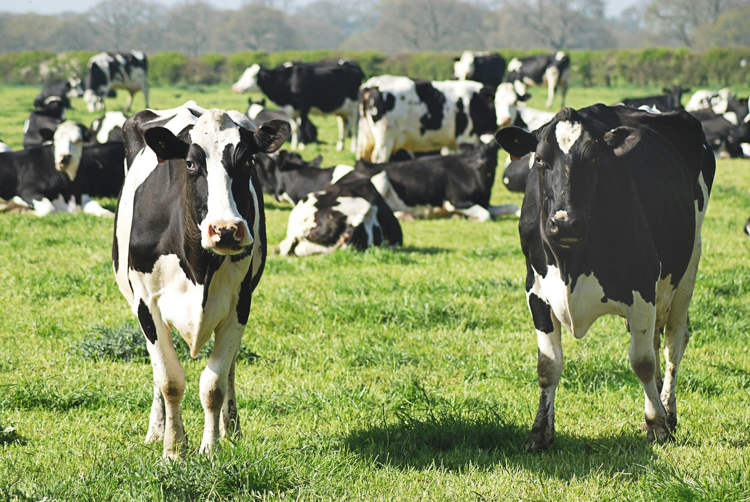
Sold under the name Niu Huang (牛黄), bovine gallstones are used primarily in the formulation of Angong Niuhuang Wan, a traditional remedy prescribed for severe neurological conditions like strokes, febrile comas, disturbances of consciousness, etc.
The problem of cow gallstones has always been scarcity. The chances of gallstone formation in cows increase with age, but most slaughterhouses around the world prefer to slaughter cattle at younger ages to improve agricultural efficiency. The scarcity and ballooning prices of gallstones have inspired a veritable frenzy in cattle-growing regions like Brazil, Australia, and Texas, in the US.
Recently, incidents of gallstone smuggling and robbery have surged in the rural town of Bahetus in São Paulo, Brazil, with armed criminals attacking cattle farms not to steal the animals but any gallstones they could find. Gallstone smuggling by slaughterhouse employees has also increased, which has led to the formation of a vibrant black market.
Just like the demand for natural diamonds led to the creation of lab-made diamonds, so too Chinese researchers developed “cultured” gallstones that partially reproduce the neuroprotective and hepatoprotective effects of the natural product, with a controlled toxicity profile. Natural stones are still considered the golden standard, but these synthetic, lab-grown alternatives can at least keep prices from rising even more.
Interestingly, Russian media reports that demand for human gallstones in China has increased as well, with prices for a single stone going up to 100,000 rubles ($1,270). The price of the stones depends on their size and other characteristics, but generally, the larger the stones, the higher their price. Dozens of ads with human gallstones for sale have been identified on a single online platform.


0 Comments