


A powerful storm system has triggered one of Hawaii’s worst flooding events in more than two decades, forcing thousands of residents to evacuate their homes, including actor Jason Momoa.
On March 21, the Aquaman star revealed he fled the North Shore of Oahu with his family after dangerous floodwaters and power outages swept through the region.
As emergency officials warned of potential dam failure and rescue teams rushed to save stranded residents, Momoa shared footage of the devastation and urged locals to stay safe.
Jason Momoa fled Oahu’s North Shore as floodwaters and power outages spread in the Hawaii region

Image credits: Dave Benett/Getty Images
Momoa confirmed in the clip that he evacuated the North Shore after losing electricity and witnessing the storm’s destructive impact firsthand.
“We’re safe for now, but there are a lot of people who weren’t, so, sending all our love,” the actor said while updating followers.
He also shared footage showing flooding near his father’s home and described the situation as “crazy.”

Image credits: roddy_bomber_808/Instagram
“North Shore’s pretty gnarly right now, so just love, and hopefully everyone’s safe and getting out and get together and figure out how we help everyone…. Stay safe out there.”
The severe weather also forced the actor to cancel a music event scheduled for the weekend.
In another message, the Honolulu-born actor expressed the emotional toll the storms have taken on local communities.
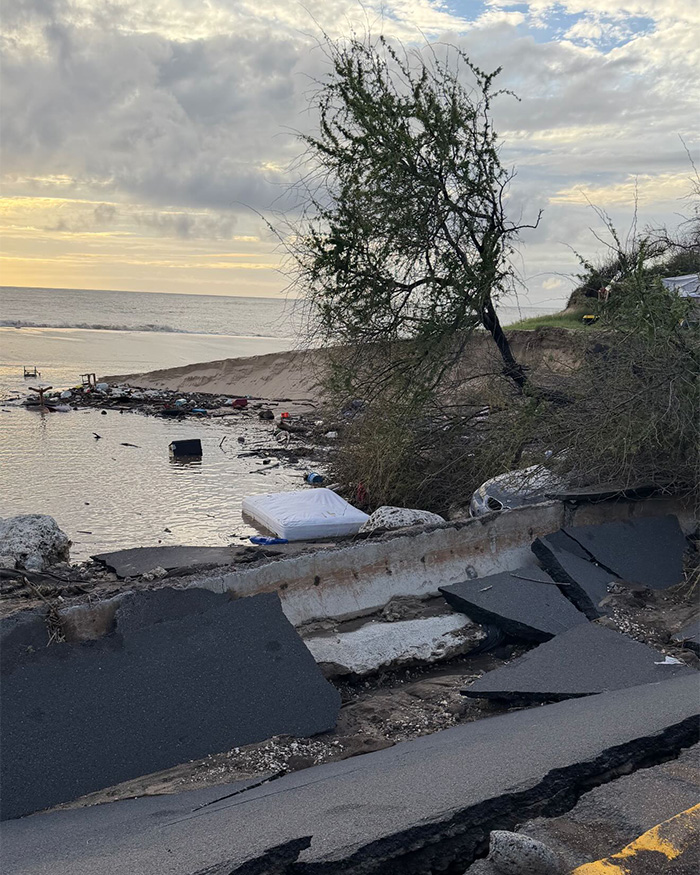
Image credits: prideofgypsies/Instagram

“These past weeks have been heavy,” he wrote. “The storms, the flooding, the constant rain across Oʻahu have affected so many of our people, especially those already facing hardship.”
The 46-year-old star later spent time on the west side of the island helping distribute meals with his girlfriend, Adria Arjona.
“That’s what aloha is. It’s showing up for each other when it matters most.”
The emergency evacuations began after fears of Wahiawa Dam failure raised concerns among the community
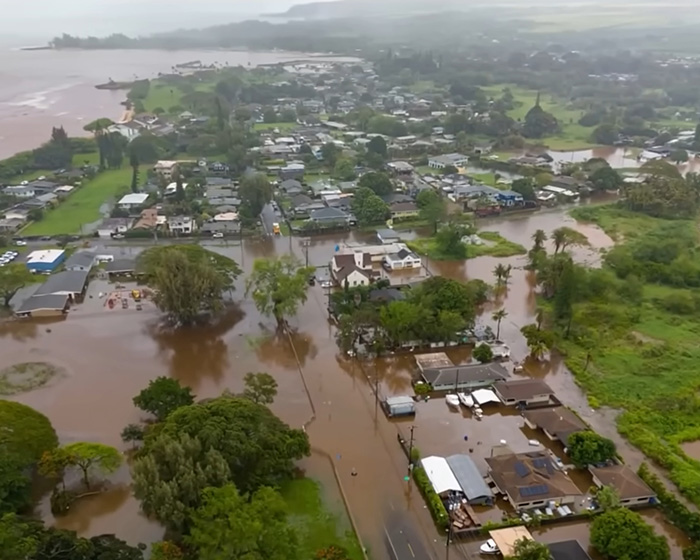
Image credits: NBCLA
Authorities raised urgent evacuation orders for communities near the Wahiawa Dam after rising water levels raised concerns that the 120-year-old structure could fail.
“Wahiawa Dam has not failed but is at imminent risk of failure. Potential life-threatening flooding of downstream areas,” Oahu Emergency Management posted online on March 20.
More than 5000 residents were told to leave areas downstream near Haleiwa and Waialua as the reservoir rapidly filled.
In less than 24 hours, the water level surged from 79 feet to 84 feet, leaving just six feet before reaching capacity.
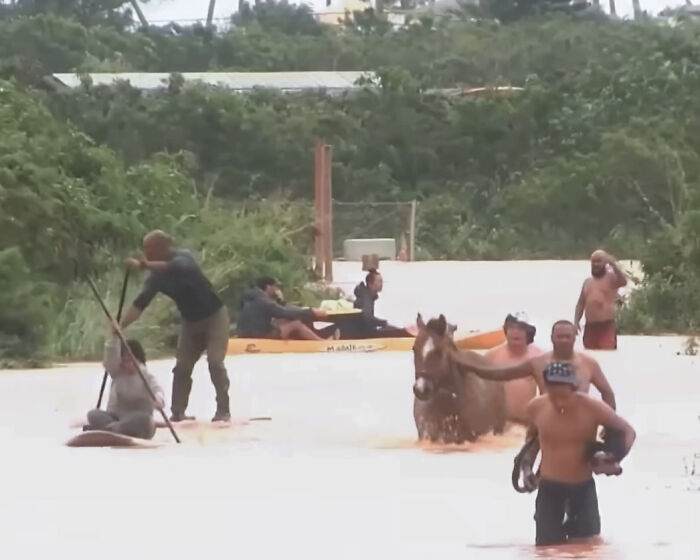
Image credits: NBCLA

Officials further warned that a failure could lead to life-threatening flooding in nearby communities.
Governor Josh Green described the situation as a major emergency.
“This is a major threat to our people and to our state,” he said during a joint news conference with Honolulu Mayor Rick Blangiardi.
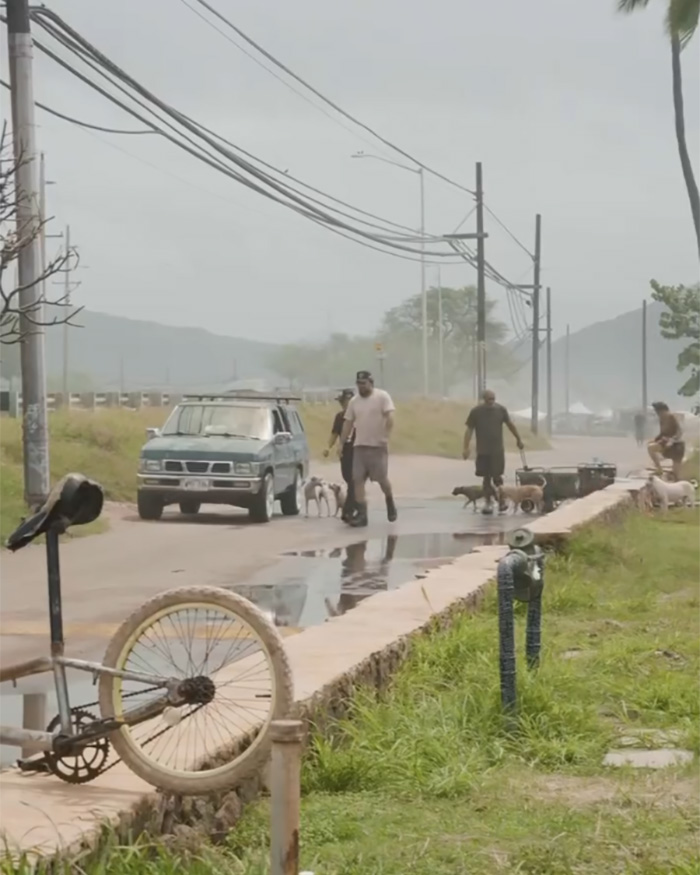
Image credits: prideofgypsies/Instagram
Despite the scale of the disaster, officials reported no fatalities as of the afternoon of March 21, though several people sustained serious injuries and about 10 residents were hospitalized with hypothermia.
The heavy rainfall triggered road closures, submerged roads, and widespread damage

Image credits: prideofgypsies/Instagram
Several parts of Oahu received up to 12 inches of rain, causing fast-rising floodwaters in communities including Haleiwa and Waialua.
The rainfall resulted in submerged roads, landslides, and knocked down trees, making travel extremely difficult across the island.
Furthermore, emergency crews carried out more than 230 rescues as residents became trapped in floodwaters.


Authorities also warned that all roads out of Waialua were at risk of failure as the storm intensified.
Not only this, more than 130 people were placed in emergency shelters overnight, while thousands of residents across Oahu lost electricity.
As of Saturday, roughly 6,400 customers remained without power, including about 4,200 homes on the North Shore.
In addition, officials warned that the damage could exceed $1 billion, impacting homes, schools, roads, and other infrastructure.
The Federal Emergency Management Agency (FEMA) confirmed the teams were monitoring the situation and were prepared to assist if necessary.
Meteorologists revealed that a rare double Kona low storm system had fueled the flooding
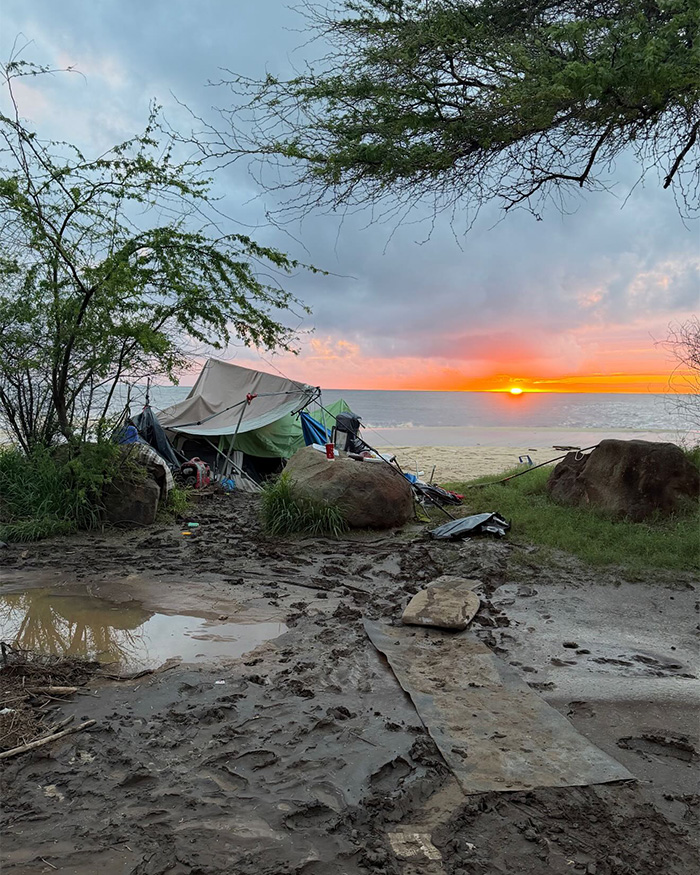
Image credits: prideofgypsies/Instagram
A rare double Kona low storm system, which pulls moisture from the south and often brings heavy rain and severe flooding, has been the main reason behind the heavy flooding.
The first Kona storm struck Hawaii between March 10 and March 16, dumping record rainfall, including up to 46 inches in some locations.
The second storm reportedly arrived while the ground was already saturated, dramatically increasing the risk of flash flooding and landslides.
The National Weather Service placed much of Hawaii under a flood watch, including Oahu, Maui, Molokai, Lanai, Kahoolawe, and the Big Island. Maui also faced an additional flash flood warning.
The meteorologist also warned that additional rain bands could worsen the situation as waterways remain swollen and the ground struggles to absorb more water.
“Prayers coming your way,” wrote one user


0 Comments